When God calls us to Nineveh
I love the story of Jonah in the Bible, and not just because it makes for a great Sunday school session. I love the story of Jonah because of how it challenges me.
The story starts with the instruction “go to Nineveh”, at first glance this looks like an easy enough instruction but Jonah knew this wasn’t going to be a fun road trip. Nineveh was the capital city of Assyria which was known for it’s great wickedness. You can still see how they attacked other cities in the Lachish reliefs found in the British Museum today.
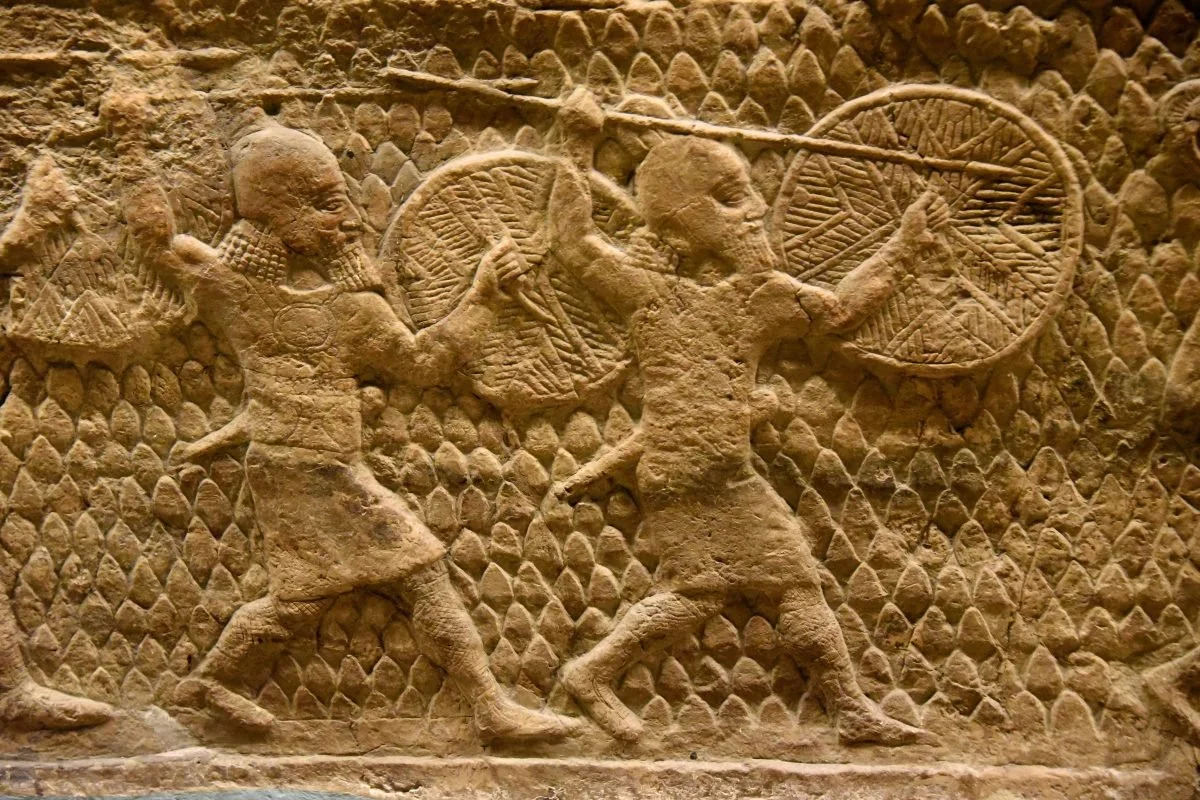
God’s view of their behaviour is clear in Nahum 1:14 where God states:
“The Lord has given a command concerning you, Nineveh:
“You will have no descendants to bear your name.
I will destroy the images and idols
that are in the temple of your gods.
I will prepare your grave,
for you are vile.””
This is clearly not the place or people Jonah wants to be around and so he runs away. But God is clear in his instruction; he wants Jonah to go to Nineveh, but not just to go there but to preach repentance there. God is asking Jonah to go and try to save the lives of the people who have hurt Jonah and his home the most. Still somewhat reluctant, Jonah obeys and does what God has instructed him to and, miraculously, the Ninevites listen and repent.
This poses a problem to Jonah - Nineveh’s repentance is pleasing to God but it is threatening to Jonah. Jonah 3:10 tells us “When God saw what they did and how they turned from their evil ways, he relented and did not bring on them the destruction he had threatened.” This is problematic for Jonah because suddenly, the destruction Jonah expected—and perhaps hoped for—is taken off the table. This means that if the Ninevites went back to their evil ways again, Jonah and his entire family and friends' lives could very well be at risk. Understandably, Jonah places his own safety highly in his priorities, but Jonah’s downfall is he can’t see the importance of God’s mercy in this situation.
The book of Jonah ends with a question: Shouldn’t I love the people in the city of Nineveh? God’s view is quite clear, despite all their wickedness these people are still part of God’s creation and he loves each and every one of them deeply. But we never hear Jonah’s answer to this question. I love how Tim Keller phrases it in his exploration of the book of Jonah “it’s as if God has aimed an arrow at Jonah’s heart, set it afly and suddenly Jonah vanishes leaving us in its path.” By never hearing Jonah’s answer to God’s question the question actually becomes what God is asking us. Shouldn’t I love those people? And ultimately, shouldn’t you love those people like I do?
I think the story of Jonah is so relatable because for each of us there’s probably someone in our lives that we run away from. That deep down we care more about justice than mercy. Someone who has perhaps hurt us and we’re holding onto unforgiveness, or simply someone who has committed many wrongs and we struggle to love and care for them despite their actions.
In the end, the story of Jonah isn’t just about a prophet, a city, or even a miraculous rescue from the belly of a fish—it’s about the condition of our own hearts. Jonah forces us to confront the places where we, too, resist God’s call to compassion, where we cling to self-protection instead of grace, and where we quietly hope for justice when God is offering mercy. Will we allow God to expand our hearts toward the people we’d rather avoid? Will we trust His mercy even when it challenges our sense of fairness?